

News and Information
"Pioneers of Transformation" in Advanced Manufacturing—China’s Specialty Glass Innovations
"Pioneers of Transformation" in Advanced Manufacturing—China’s Specialty Glass Innovations
Release time:
2023-06-26
Source:
Reprinted from 36Kr
Author:
WanTou Investment Bank
In the digital era, the specialty glass manufacturing industry is at a historic juncture of intelligent transformation. By deeply integrating modern technologies with manufacturing, the specialty glass industry will seize new development opportunities, achieve a comprehensive upgrade of its production methods, and take solid steps toward driving China’s manufacturing sector toward high-quality development.
The 2024 Spring Festival travel rush is nearing its end. As of February 16, the cumulative number of passenger trips nationwide over the first 22 days of the travel rush has reached 5.093 billion—3.6 times the country’s total population. This figure is equivalent to the entire national population migrating three times within just 22 days.
The massive passenger flow has spurred the development of various new transportation sectors, such as high-speed rail and air travel, as well as numerous related upstream and downstream industries, including steel, machinery, power equipment, telecommunications, and new materials. Among these, high-speed rail and aircraft glass—being a type of specialized glass material—are increasingly being used in people’s daily lives and work. Their application scenarios span multiple sectors, including finance, transportation, public services, social welfare, e-commerce, and defense industry.

High-speed train window glass
In the aerospace industry, special glass is used to manufacture components such as windows and instrument panels for aircraft, missiles, and spacecraft. In the defense industry, special glass materials are primarily used in the production of bulletproof glass, fire-resistant glass, and other transparent components. In the rail transit and protective equipment sectors, special glass materials are mainly employed in the fabrication of train window glass and protective glass. In the construction sector, special glass materials are widely utilized in curtain walls as well as in the production of insulated, explosion-proof, and fire-resistant glass. In the optoelectronics field, special glass is used to manufacture optical components, optical fibers, and display screens. Additionally, there are also types of special glass such as explosion-proof glass, photochromic glass, anti-glare glass, and fire-resistant glass, among others.
The widespread application of specialty glass is driving the rapid development of the industry. In recent years, China has consistently emphasized independent innovation in the specialty glass sector and has been supporting the integrated development of the specialty glass industry and related sectors. As a result, the market for new types of specialty glass is growing rapidly, with continuous expansion in product output. National industrial policies encourage the specialty glass industry to shift toward high-tech products, and domestic enterprises are increasingly investing in new projects. Investors are also paying closer attention to the new specialty glass market, further enhancing its visibility and attracting greater interest from all quarters.

Side view of the C919 aircraft
Meanwhile, as China’s special glass industry continues to develop, macro policies in key areas such as industrial promotion and market regulation are becoming increasingly refined.
The “Outline for Building a Country Strong in Quality,” issued in 2022 by the CPC Central Committee and the State Council, proposes promoting the upgrading and replacement of traditional materials such as steel, glass, and ceramics. The “14th Five-Year Plan for the Development of the Raw Materials Industry” mentions advancing specialized glass melting and forming technologies, promoting the industrial application of advanced deep-processing technologies—including intelligent pool kiln continuous drawing of special glass fibers and basalt fibers—and overcoming key material challenges such as high-performance functional glass, while also establishing an innovative center for advanced glass manufacturing. The “14th Five-Year Plan for Digital Economy Development” highlights that these initiatives will bring significant opportunities for the digital and intelligent transformation of the glass manufacturing industry.
Moreover, against the backdrop of significantly increasing policy support, the visibility of specialty glass’s key markets is also steadily rising. Meanwhile, the rapid rise of a number of leading enterprises and the intensified domestic investment in the specialty glass sector have led to a continuous increase in the number of specialty glass technology patents, driving ever-growing market demand for specialty glass applications.
According to publicly available data, the global specialty glass market is projected to grow at a compound annual growth rate of around 7% from 2021 to 2026. China is one of the world’s largest producers and consumers of specialty glass. In 2020, China’s retail market for specialty glass reached 70.2 billion yuan, representing a year-on-year increase of 17.1%. The compound annual growth rate is expected to be approximately 11.26% from 2022 to 2025, and by 2025, China’s specialty glass market size is forecast to reach 110.8 billion yuan, accounting for a critically important share of the global specialty glass market.
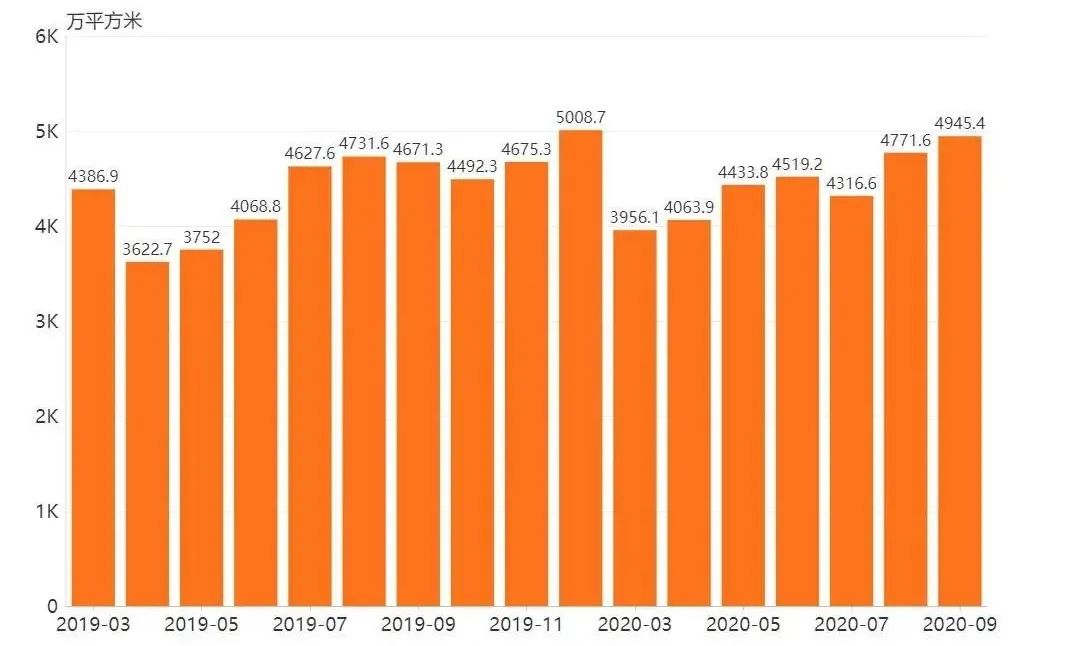
Specialty Glass Production – Current Value (10,000 square meters)
Today, the categories of special glass users are becoming increasingly diverse and personalized, and specialized segmentation is gradually emerging as the overarching trend in the special glass industry. Currently, social capital is paying closer attention to the development opportunities arising from the integration of the special glass industry with other related sectors. The consolidation and growth of these key industries will give rise to countless new business models within the special glass sector.
Practical applications in fields such as aerospace, military industry, shipbuilding, and transportation are all examples of the integrated development between the specialty glass industry and related sectors. These applications represent an important starting point for the specialty glass industry to truly drive consumption transformation and upgrading.
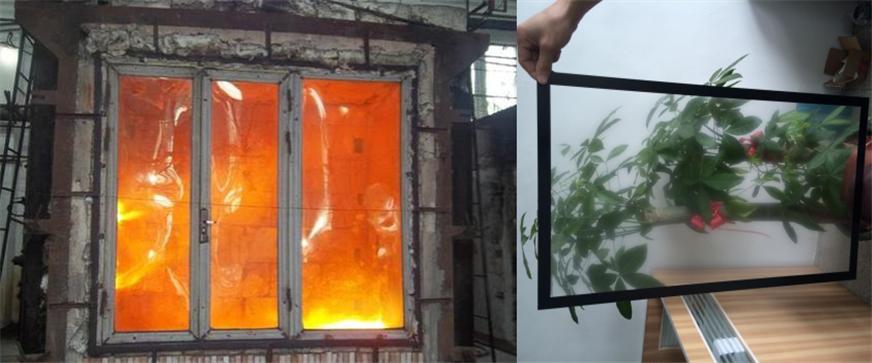
Fire-resistant glass & anti-glare glass
For example, viewing windows used in hot cells or lead rooms—devices designed for operation in extreme environments—are made from specialized glass materials. A hot cell or lead room is a sealed, shielded enclosure used for conducting radioactive experiments; typically, the interior of such a chamber maintains a negative pressure environment. The viewing windows allow operators to observe the status of equipment and processes inside the hot cell or lead room. Some companies can, according to customer requirements, design, manufacture, inspect, and install various types of viewing windows. Once installed, these windows are employed in laboratories at all levels as well as in nuclear power testing facilities, thus forming a complete process—from design and manufacturing through assembly to inspection.
The growth of the application sector has also opened up more opportunities for development in the specialty glass industry. In recent years, China’s high-speed rail projects “going global” have further enhanced the country’s reputation as a construction powerhouse and enabled the world to witness China’s dramatic competitive edge in high-speed railway construction. On the morning of October 2, 2023, Halim High-Speed Railway Station in Jakarta, the capital of Indonesia, officially announced the launch of the Jakarta-Bandung High-Speed Railway, marking Indonesia’s entry into the high-speed rail era. Meanwhile, the vast overseas market for China’s high-speed rail will simultaneously boost the growth potential of the specialty glass market.
In the past, the single profit model of specialty glass often left the industry thoroughly puzzled, making it difficult to identify a clear path for development. However, these customized cases have spurred the specialty glass industry’s transition toward high-end manufacturing. Against this backdrop, companies that have seized early-mover advantages and are capable of integrating specialty glass with other industries, identifying new profit opportunities, and establishing innovative business models and development strategies for the specialty glass sector will gain a significant competitive edge in the future development of the specialty glass industry.
In practice, this advantage is reflected in the fact that China’s specialty glass enterprises have partially achieved intelligent functionalities such as comprehensive visualization of production lines, human-machine interaction, fully automated machine packing, and intelligent, fully automated quality inspection of products. Smart factories have become a pivotal node in the informationization of modern manufacturing, marking the dawn of a new era in which manufacturing is transitioning toward intelligent production. The achievements of these enterprises demonstrate the successful transformation of China’s specialty glass manufacturing sector into an intelligent industry in the digital age and also point the way forward for future development.
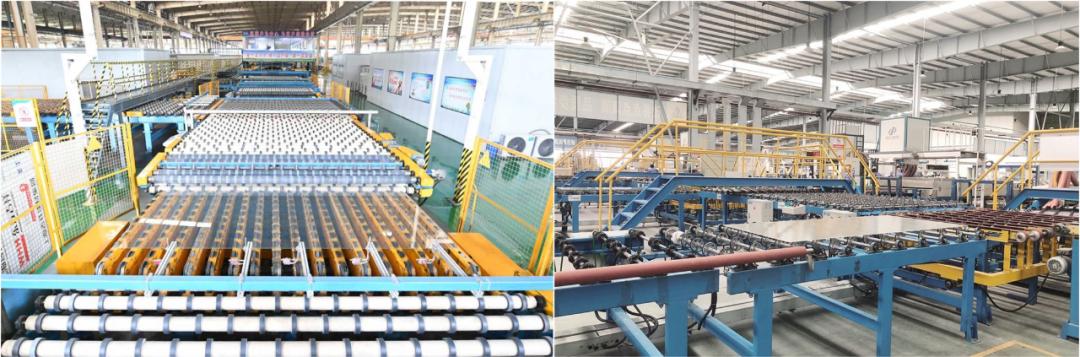
Smart Factory for Specialty Glass
However, the digital and intelligent transformation of the specialty glass manufacturing industry still faces several challenges, including issues related to technological upgrades and talent development. Therefore, the specialty glass industry continues to require concerted efforts from the government, enterprises, and all sectors of society to fully implement and apply digitalization and intelligence in specialty glass manufacturing, thereby injecting new vitality into the upgrading of China’s manufacturing sector.
In the digital era, the specialty glass manufacturing industry is at a historic juncture of intelligent transformation. By deeply integrating modern technology with manufacturing, the specialty glass industry will seize new development opportunities, achieve a comprehensive upgrade of its production methods, and take solid steps toward driving China’s manufacturing sector toward high-quality development.