

News and Information
Color-changing? Self-cleaning? Temperature-controlled? The power of smart glass.
Color-changing? Self-cleaning? Temperature-controlled? The power of smart glass.
Release time:
2023-06-26
Source:
Reprinted from 36Kr
Author:
Future City Never Falls
Although exterior wall technologies are constantly advancing, many achievements in building sustainability are realized through conscious design and the selection of materials that are well-suited to the climate and environment. Combining traditional design with smart systems and new materials can enhance both the comfort and efficiency of buildings.
When a glass curtain wall alters its light transmittance by changing the voltage applied to the glass, and when light or heat is introduced, the glass’s appearance changes, thereby modifying both the intensity and wavelength of light entering the interior. We refer to this type of facade as a smart façade.
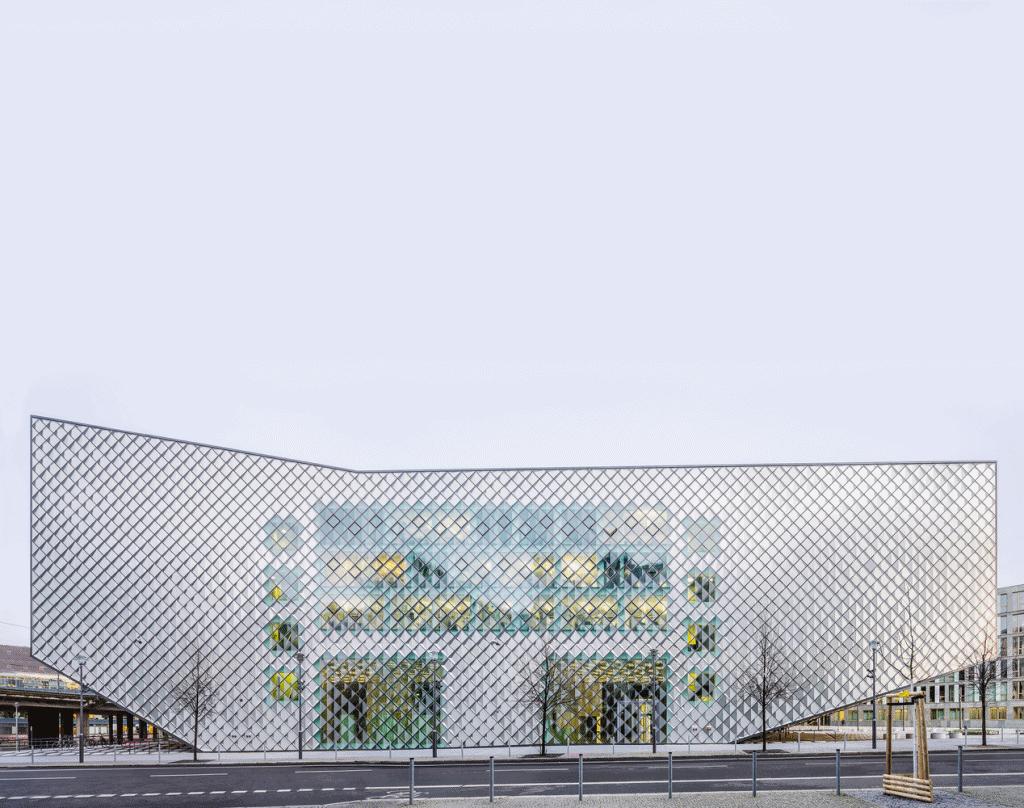
The facade serves as the interface between the interior and exterior of a building. Often, the facade is the most visible and attention-grabbing part of a structure. It not only protects the building from external environmental factors but also plays a crucial role in creating a comfortable indoor environment, since it’s where heat gain or loss occurs. A façade that can adaptively adjust itself according to external environmental conditions is referred to as an “intelligent façade.” This adaptability is achieved through components integrated into the façade—either passive or active—that can adjust themselves in response to varying conditions, thereby accommodating changes in both the internal and external environments. Specifically, when it comes to building facades, the primary focus typically lies on maximizing natural daylighting while minimizing solar radiation, while simultaneously controlling ventilation and heat input or output. Many adaptive adjustments occur in glass curtain walls: for instance, when the transparency of a glass curtain wall is altered by changing the voltage applied to the glass, or by introducing light or heat, the appearance of the glass itself changes, thus modifying the intensity and wavelength of light entering the interior space. Such systems are known as intelligent façades.
Currently, the market offers several products that can adapt to environmental conditions, incorporating a wide range of environment-friendly technologies. Although many of these technologies may seem straight out of science fiction, they have already become a tangible reality in the smart façade market—modern glass that can control light transmittance, transparency, and even snow-melting capabilities, making buildings smarter and more eco-friendly.
01
Glass that changes appearance based on the environment
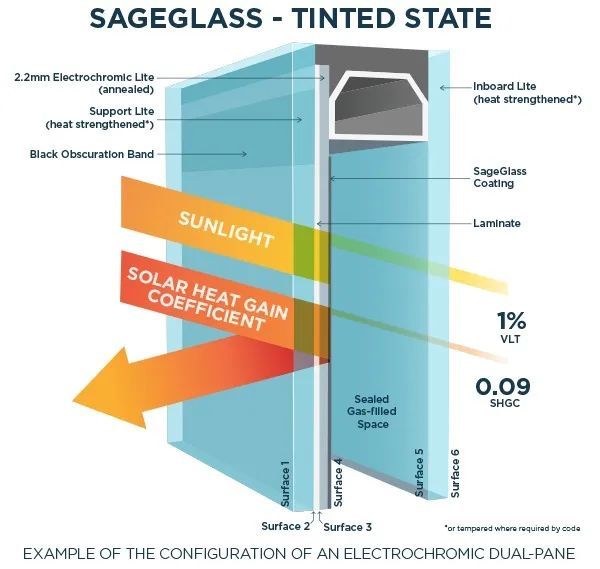
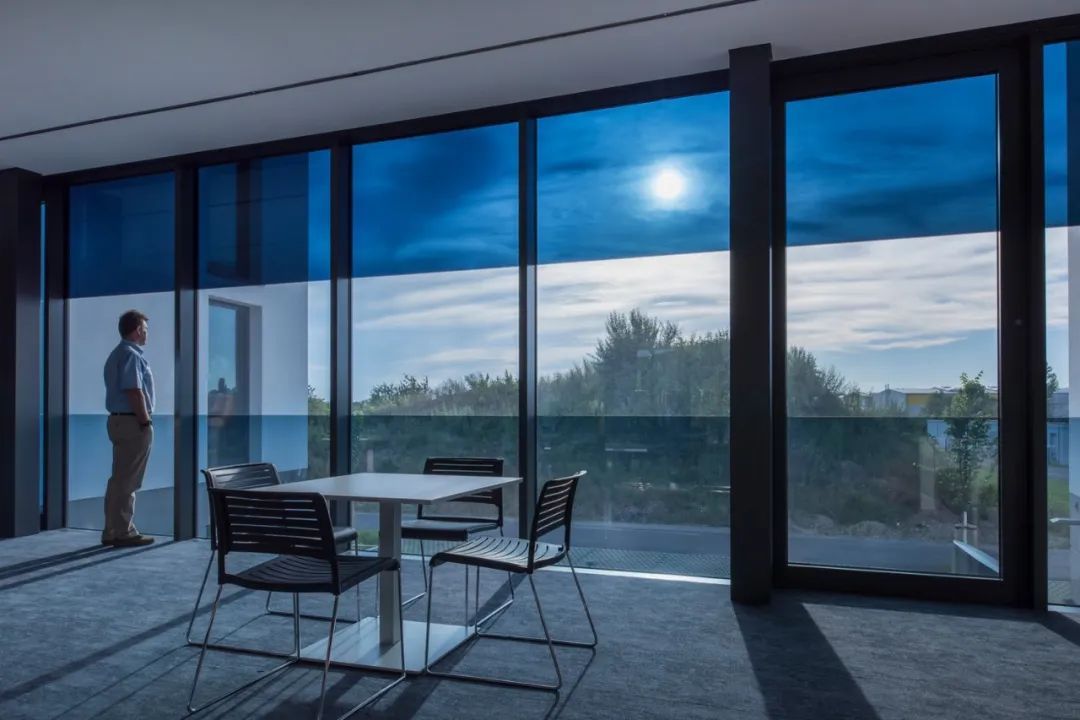
SageGlass is an electrochromic glass product from Saint-Gobain. By adjusting the electrical voltage applied to the glass, its color can be controlled, thereby regulating indoor light intensity and the levels of ultraviolet and infrared radiation transmitted through the material. In other words, this dynamic glass allows building occupants to precisely manage natural light and solar heat gain, enhancing indoor comfort while significantly reducing energy consumption. The tinting of this dynamic glass is controlled by an intelligent system that uses sensors to automatically adjust the glass’s color based on external lighting conditions. At the same time, users can also remotely control its appearance via their mobile phones. Notably, this glass does not impair visibility.
© Saint-Gobain
© Saint-Gobain
Museum of the Future, Berlin © Dacian Groza
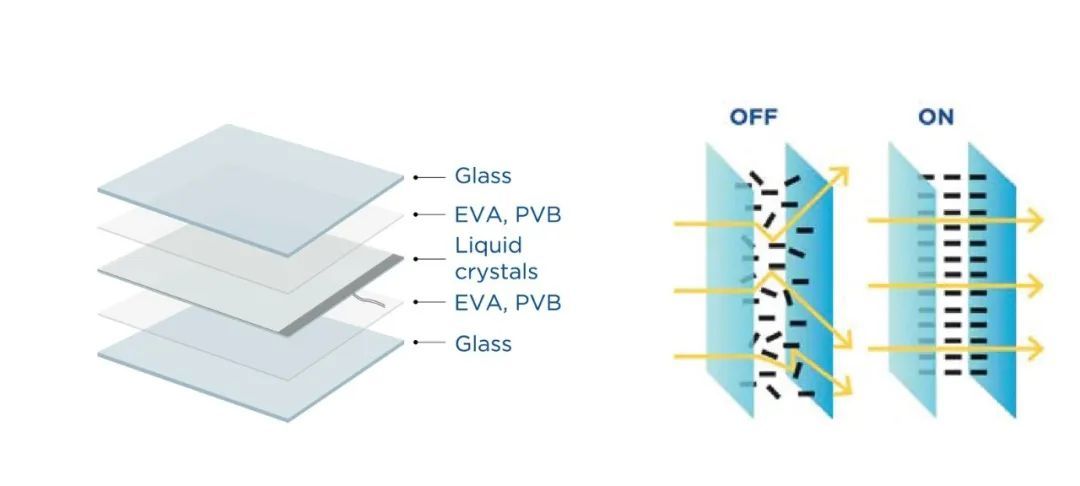
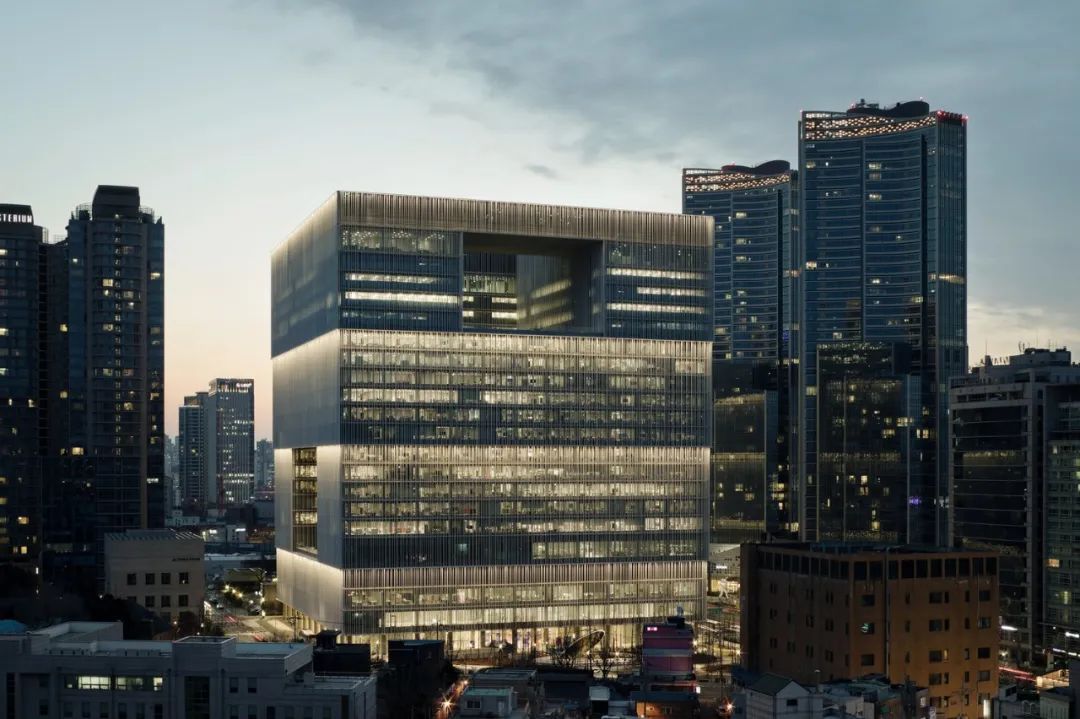
PRIVA-LITE is a unique product that manages space by instantly controlling light intensity (transparency and translucency). It’s an electrically powered, active glass that can switch from translucent to transparent without altering its overall light transmission. Its key advantage lies in enabling privacy within interior spaces while still allowing natural light to enter. Moreover, this glass can also project videos and images dynamically, turning exterior walls into large-scale display screens.
© Saint-Gobain
Amorepacific Group Headquarters © Noshe
02
Glass that provides heat to the interior space
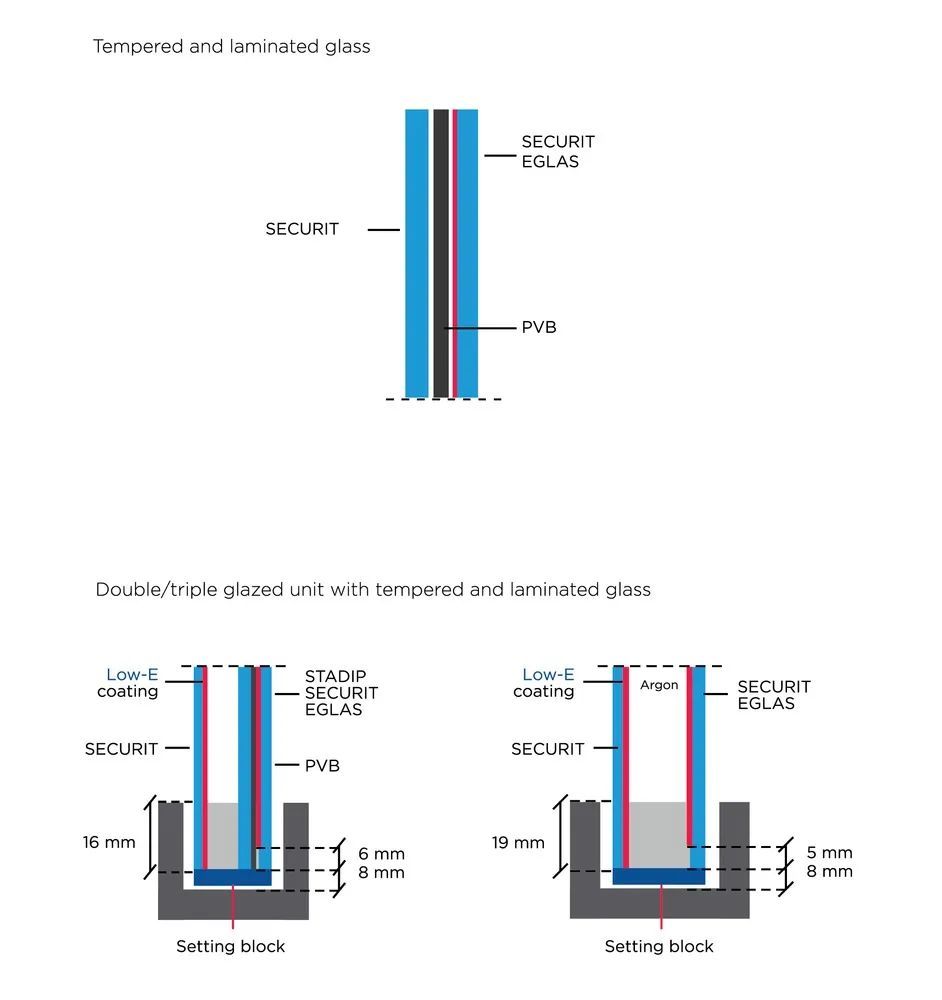
EGLAS is an integrated, invisible heating glass that enhances the comfort of indoor spaces—both in terms of visual appeal and room temperature. Developed in Finland in 1986, this glass was specifically designed for use in cold climates. Its design relies on two key factors: electric current and a metallic oxide layer on the glass surface, which enable the glass to generate heat. Depending on specific conditions and the glass’s structural configuration, EGLAS not only helps raise room temperatures but can also prevent condensation and even melt snow.
© Saint-Gobain
03
Self-cleaning glass
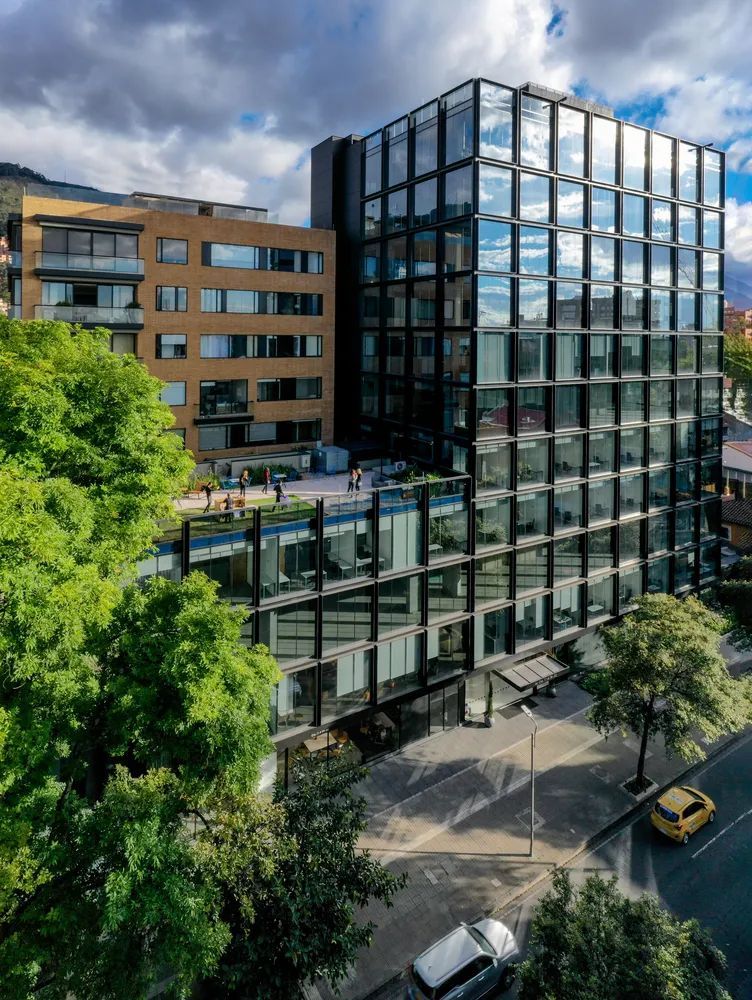
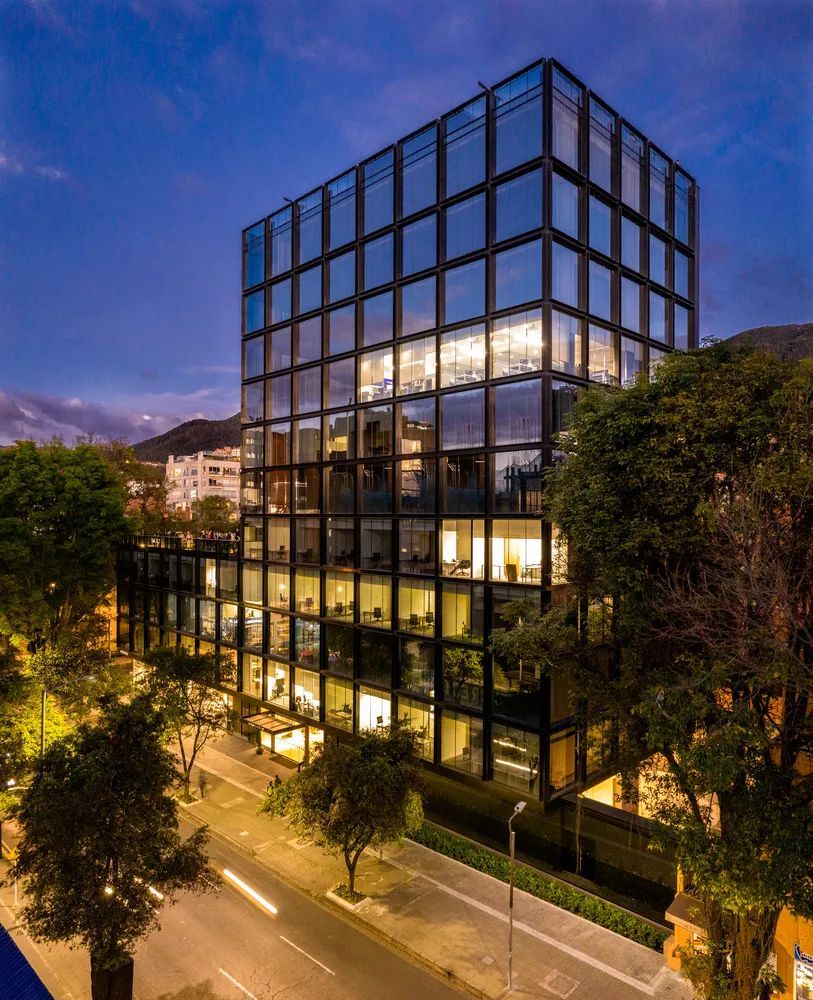
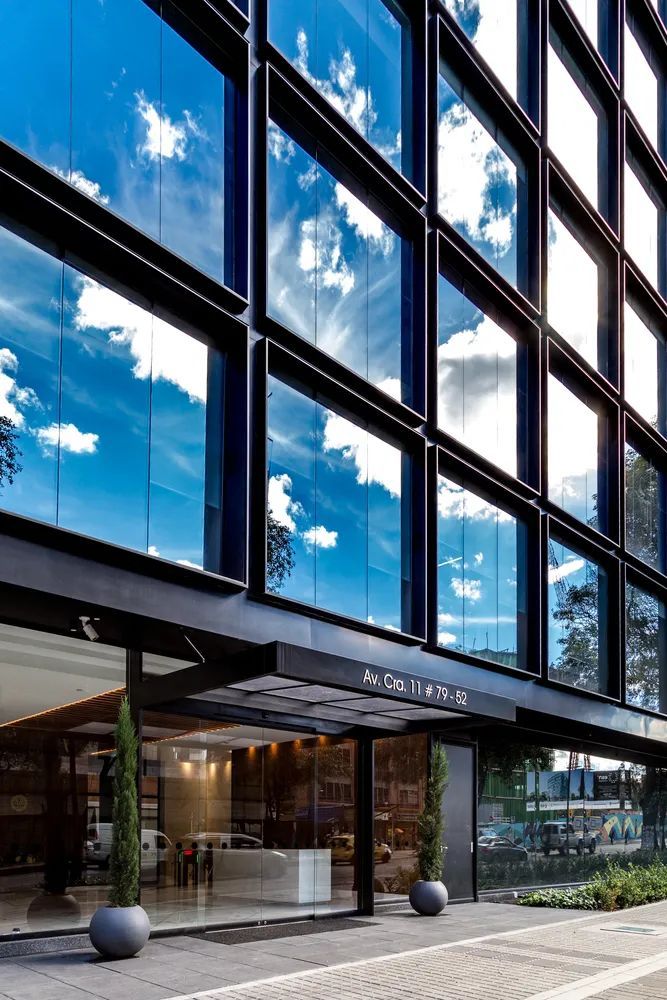
Self-cleaning glass has now become a reality. During manufacturing, a transparent, hydrophilic, and photocatalytic mineral coating is applied to the glass surface, enabling it to effectively manage dirt accumulation on the exterior of windows by harnessing ultraviolet radiation from sunlight and rainwater. Exposure to ultraviolet radiation catalyzes the breakdown of organic dirt, rendering the glass surface hydrophilic. Rainwater—or simply water—forms a thin film on the glass surface, washing away both the organic dirt and the mineral coating. As an exterior wall material, its primary advantage lies in its ease of maintenance. The designers’ vision was to cut cleaning requirements in half, thereby reducing the need for scaffolding, cranes, or any other hazardous operations involved in cleaning high-rise building facades.
© Jairo Llano
© Jairo Llano
© Jairo Llano
Smart Glass Expert: Saint-Gobain
Saint-Gobain is a global leader in the fields of lightweight and sustainable construction, designing, manufacturing, and distributing materials and services for both the building and industrial markets. Glass is Saint-Gobain’s most traditional product. The comprehensive solutions it offers for the renovation of public and private buildings, lightweight construction, and decarbonization in both the building and industrial sectors are developed through a continuous innovation process, delivering both sustainability and performance.
Berlin Museum of the Future / Richter Musikowski
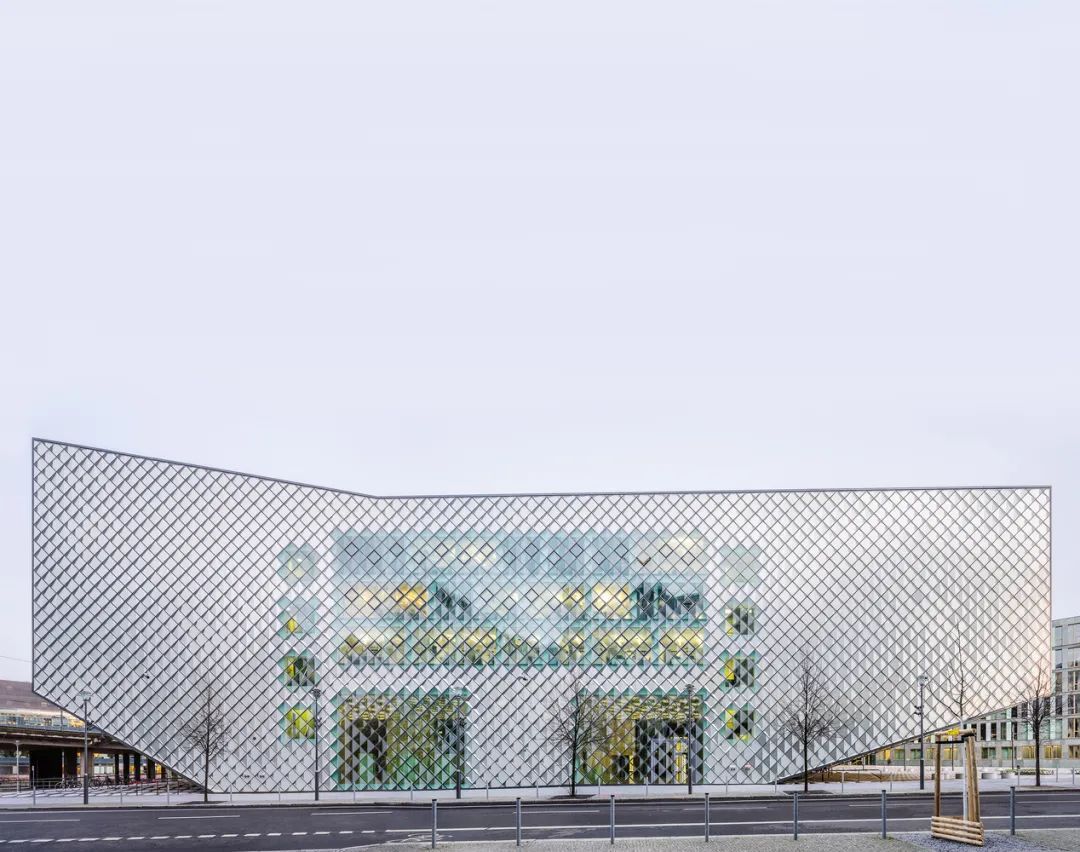
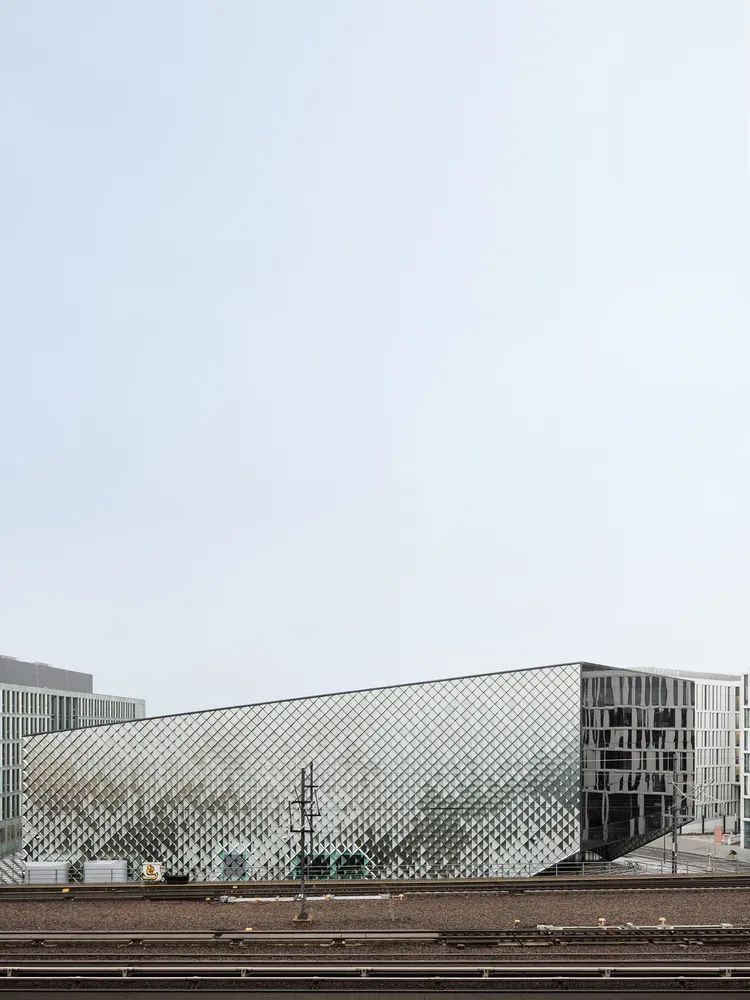
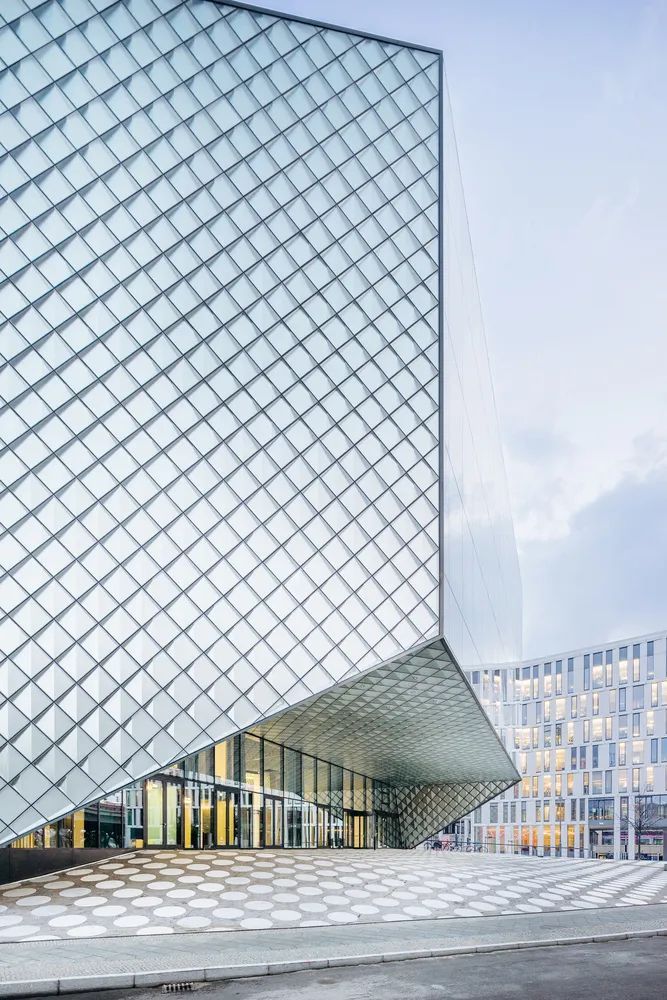
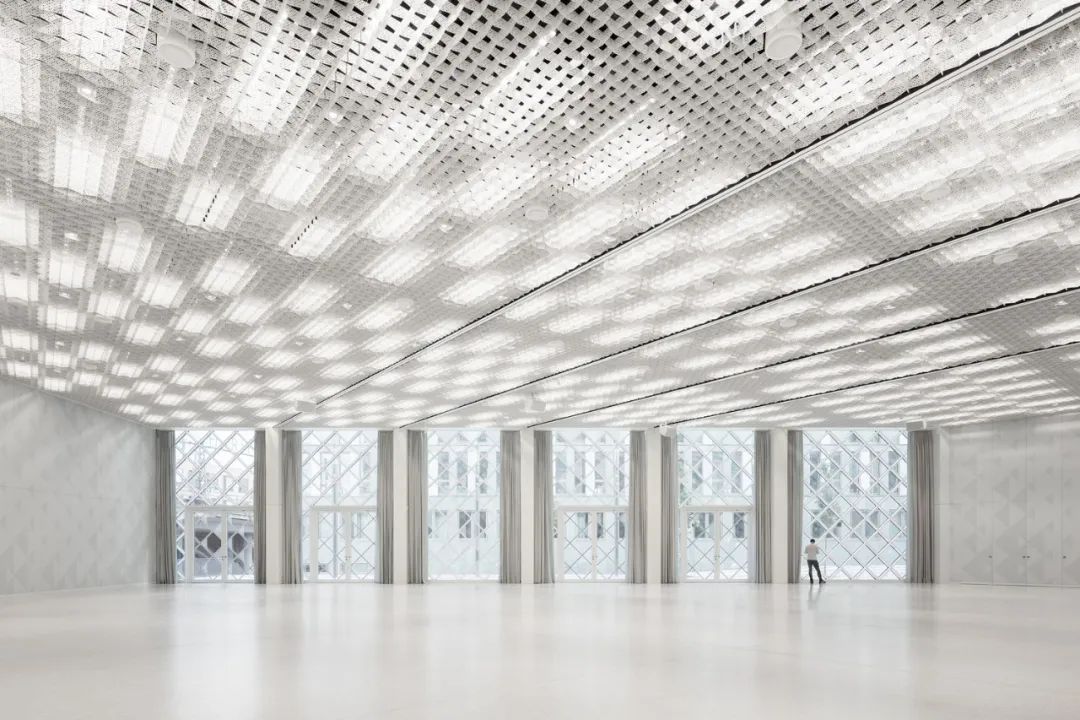
The Museum of the Future is located in the heart of Berlin and primarily serves as a venue for hosting various types of exhibitions and events. The name "Futurium" evokes the idea of a future home. Architect Richter Musikowski has employed a highly sculptural form to underscore the museum’s futuristic character. The facade of the Museum of the Future consists of more than 8,000 metal-glass panels. These diamond-shaped panels, each measuring 70 centimeters on a side, are made from a combination of metallic reflective sheets and glass with ceramic-printed textures. Under constantly changing lighting conditions, the refractive properties of these panels also shift, creating patterns that resemble ever-changing clouds.
© Schnepp Renou
© Dacian Groza
© Schnepp + Renou
Amorepacific Group Headquarters / David Chipperfield Architects
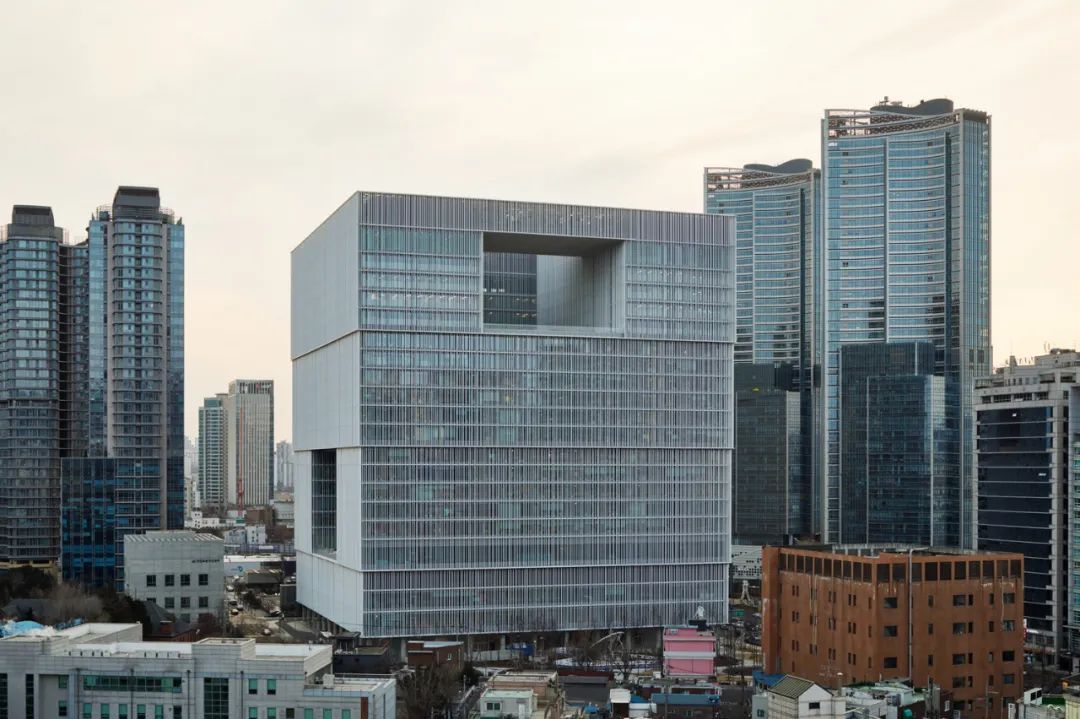
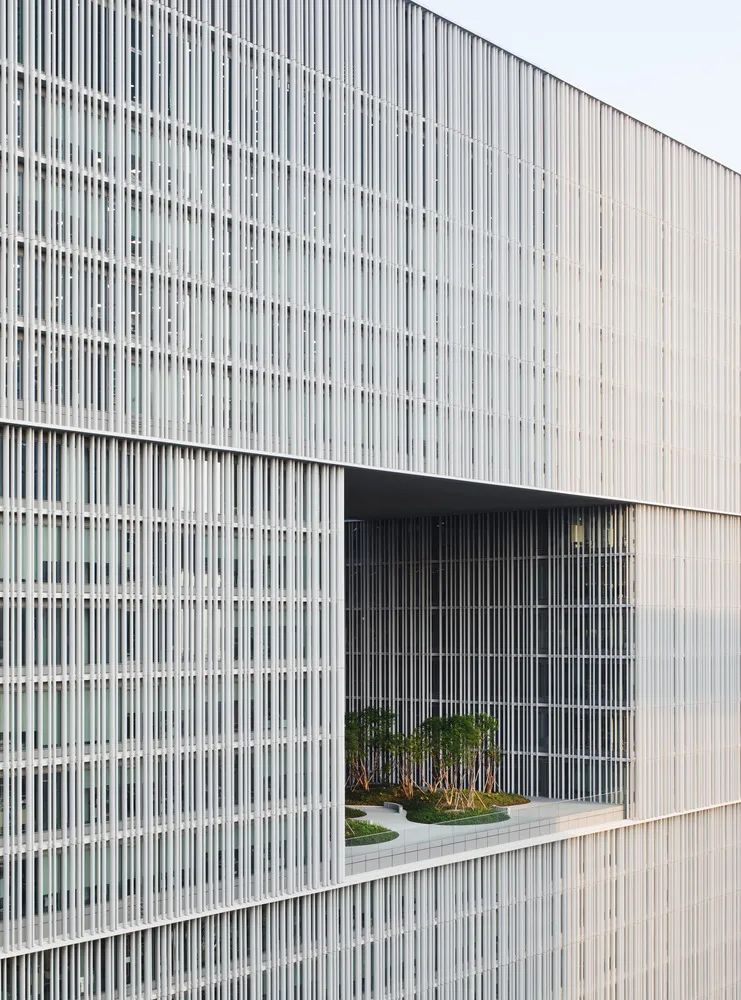
The primary goal of the Amorepacific Group headquarters project was to design a building with a distinctive character. The architects selected high-quality construction materials that are both durable and uniquely expressive. The use of these materials also reflects the project’s holistic design approach, which emphasizes authenticity, transparency, meaning, and clarity. Large openings on the building’s façade—connecting interior and exterior spaces—effectively balance the need for both openness and privacy in the office areas. The double-layer façade design takes into account sunlight exposure factors, actively harnessing natural light to infuse the interior spaces with vitality and energy.
© Noshe
© Noshe
Saint-Gobain Headquarters / Valode & Pistre
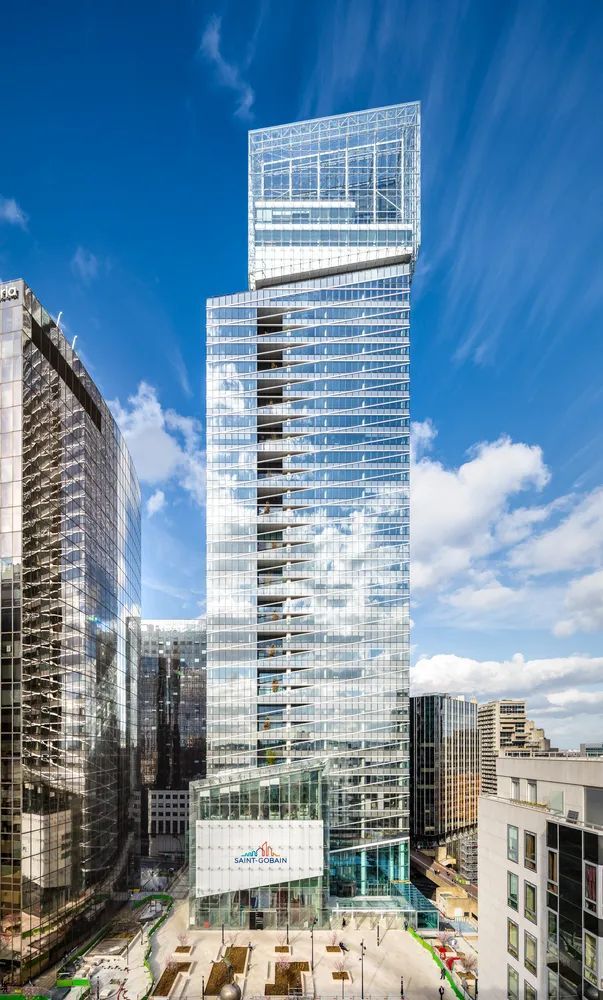
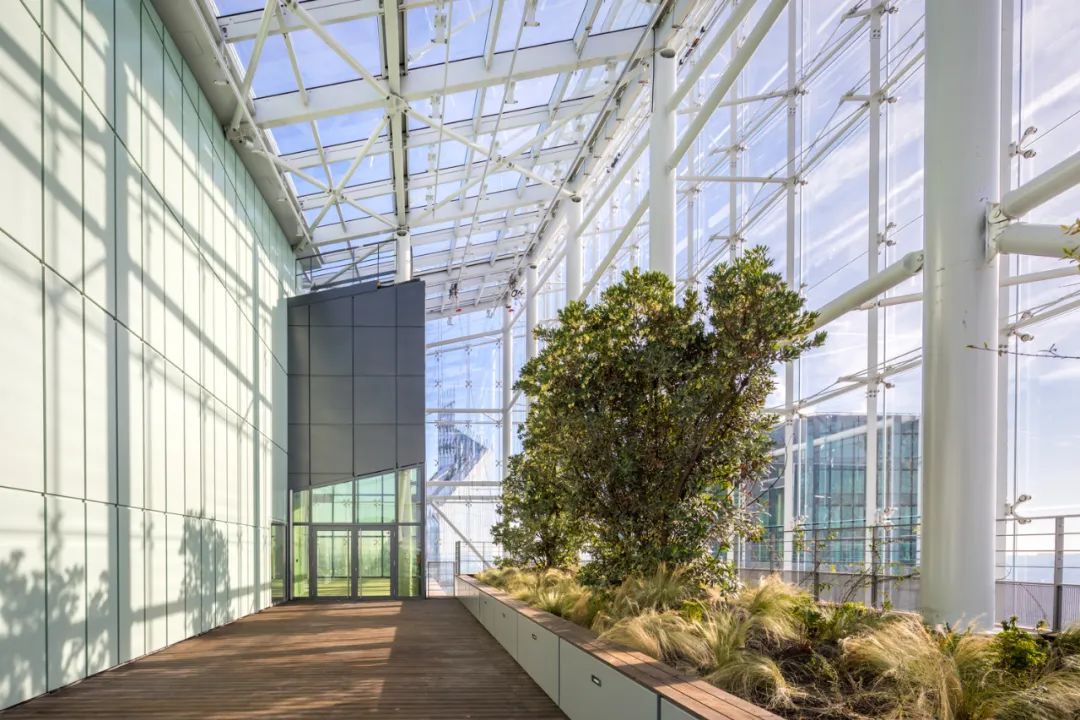
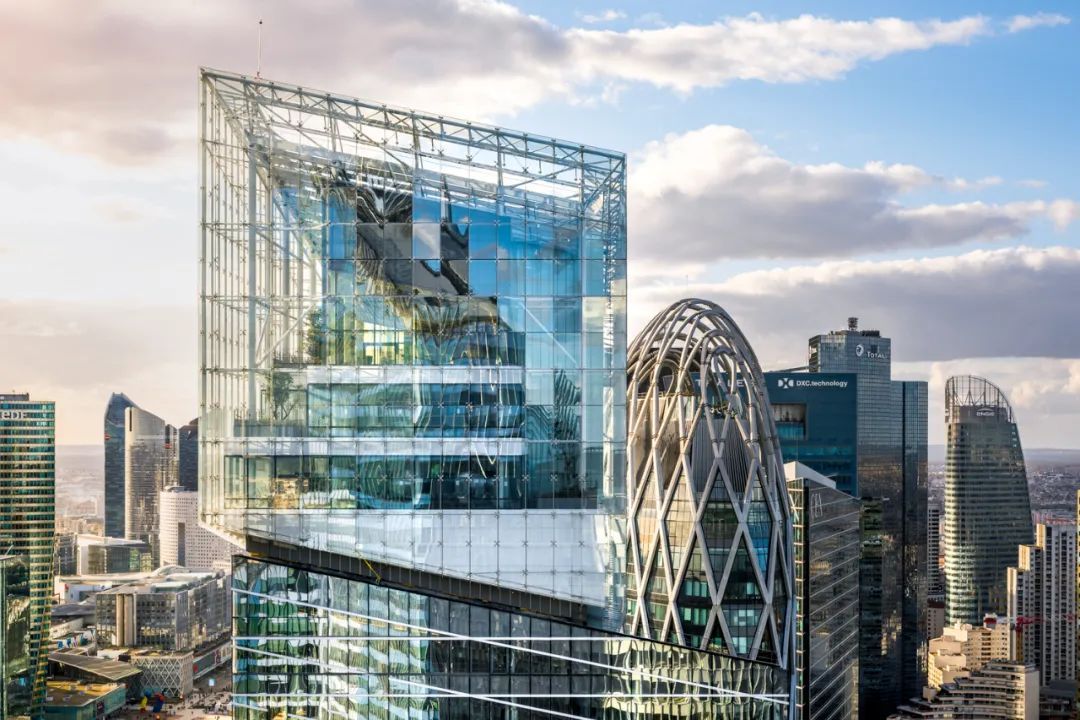
The Saint-Gobain Group’s headquarters building stands 165 meters tall with 44 floors and covers an area of approximately 49,000 square meters. Designed to set a benchmark for environmental quality, it emphasizes urban integration, energy performance, and user comfort. The tower boasts a highly original design—resembling a trio of crystals that capture and scatter light, exhibiting both reflectivity and transparency. The building’s dynamic silhouette is composed of three inclined polyhedral forms that come together in a way that metaphorically evokes the human head, torso, and legs, interacting harmoniously with the surrounding towers. The tower has become a warm, welcoming landmark, “turning its head” and “bending slightly” to extend a friendly greeting.
© Sergio Grazia
© Sergio Grazia
© Sergio Grazia
© Sergio Grazia
It is worth noting that although exterior wall technologies are constantly advancing, many achievements in building sustainability are realized through conscious design and the selection of materials that are well-suited to the local climate and environment. Combining traditional design with smart systems and new materials can enhance both the comfort and efficiency of buildings.